
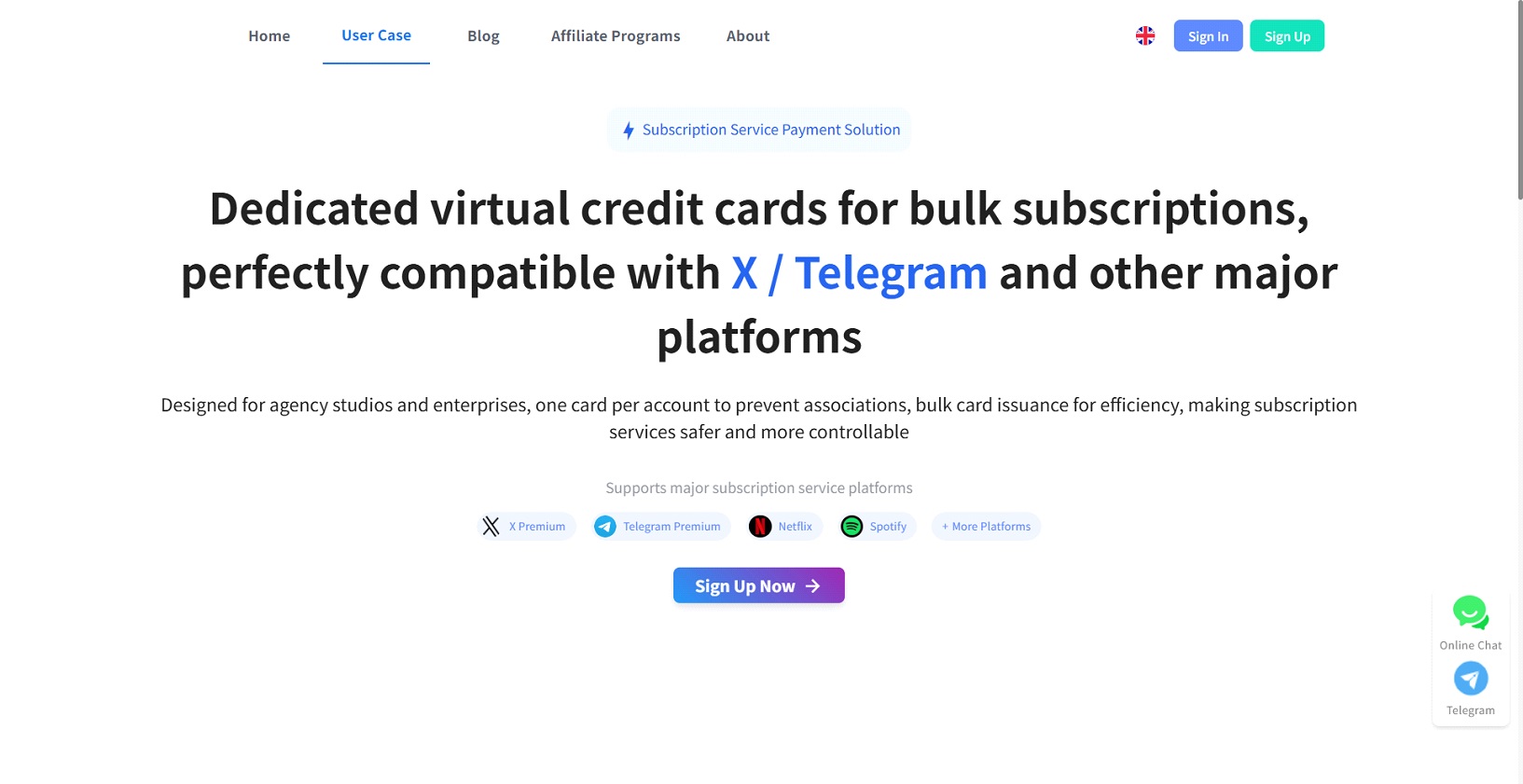
Visit the website to open a card now: https://vmcardio.com/
- Merchant acceptance across global SaaS
- Funding/recovery speed (how fast you can restore service after a decline)
- Spend controls (limits, category/merchant restrictions)
- Team-level management (multiple operators, budgeting, accountability)
- VMCard (Best for crypto-funded stacks and fast recovery)
If your team runs on USDT funding and you need dedicated virtual cards for tool subscriptions/credits, VMCard is typically the most operationally flexible option.
Why teams pick it:
- Virtual cards built for cross-border online payments
- Fast top-up and quick “recover-and-retry” workflow
- Multi-card strategy: one tool, one card, one budget
- API-friendly for teams that want reconciliation or card lifecycle automation
Best use case:
Dedicated cards for OMOCaptcha credits, proxy vendors, antidetect browser subscriptions, and cloud tooling—each with its own spend boundary.
Recommended setup for OMOCaptcha (the reliable pattern)
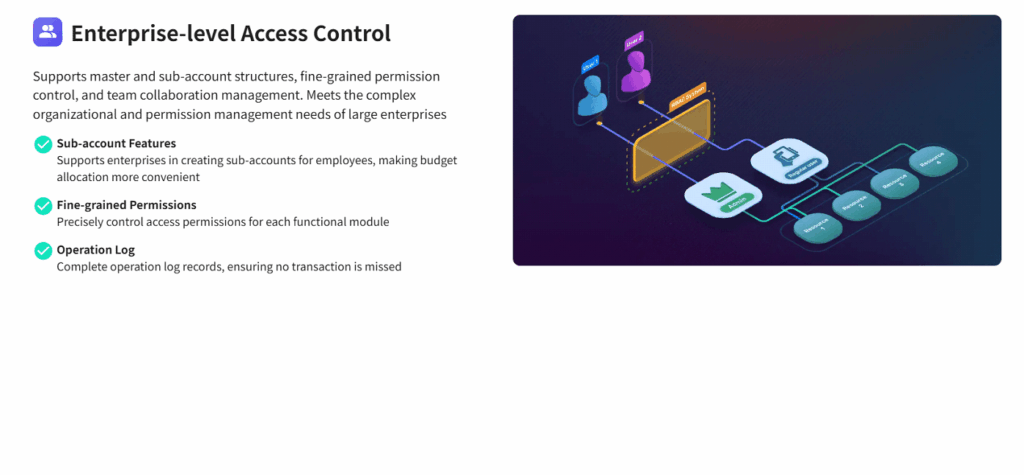
- One tool, one card: keep OMOCaptcha on its own dedicated card (don’t mix with proxies or cloud).
- Keep a buffer: don’t run “exact balance” billing—authorization holds and retries can happen.
- Set a refill threshold: top up when you have X days of usage left (based on your average burn).
- Avoid rapid retry loops: if a payment fails, fix balance/limit/policy first, then retry once.
Closing
For automation stacks, the best payment tool is the one that makes billing boring: isolated cards, predictable limits, and fast recovery when something breaks. If you implement “one tool, one card, one budget,” you’ll reduce declines, simplify troubleshooting, and keep OMOCaptcha credits flowing without operational surprises.
